As someone deeply entrenched in the world of digital marketing, I’ve seen firsthand how powerful our strategies can be. From carefully crafted social media campaigns to the strategic use of Local SEO, the tools at our disposal are extraordinary—but with great power comes great responsibility. Over the years, I’ve realized that ethics in digital marketing is not just a buzzword; it’s the foundation of sustainable success. The question I constantly ask myself is simple: How can I influence my audience without manipulating them?
When I first started my career, the line between influence and manipulation often seemed blurred. I’ve experimented with tactics like urgency-driven calls to action and retargeting ads, and while these strategies work, I began to notice a troubling pattern: short-term gains often came at the cost of long-term trust. That’s when I realized the importance of incorporating ethics into every aspect of my work.
Understanding the Ethical Landscape
Digital marketing offers unparalleled access to consumer behavior data. Platforms track clicks, searches, and even minute interactions with content. While this data is invaluable, it also comes with ethical implications. Using these insights to genuinely help customers is one thing, but exploiting them to push them into decisions they might not have otherwise made crosses a line.
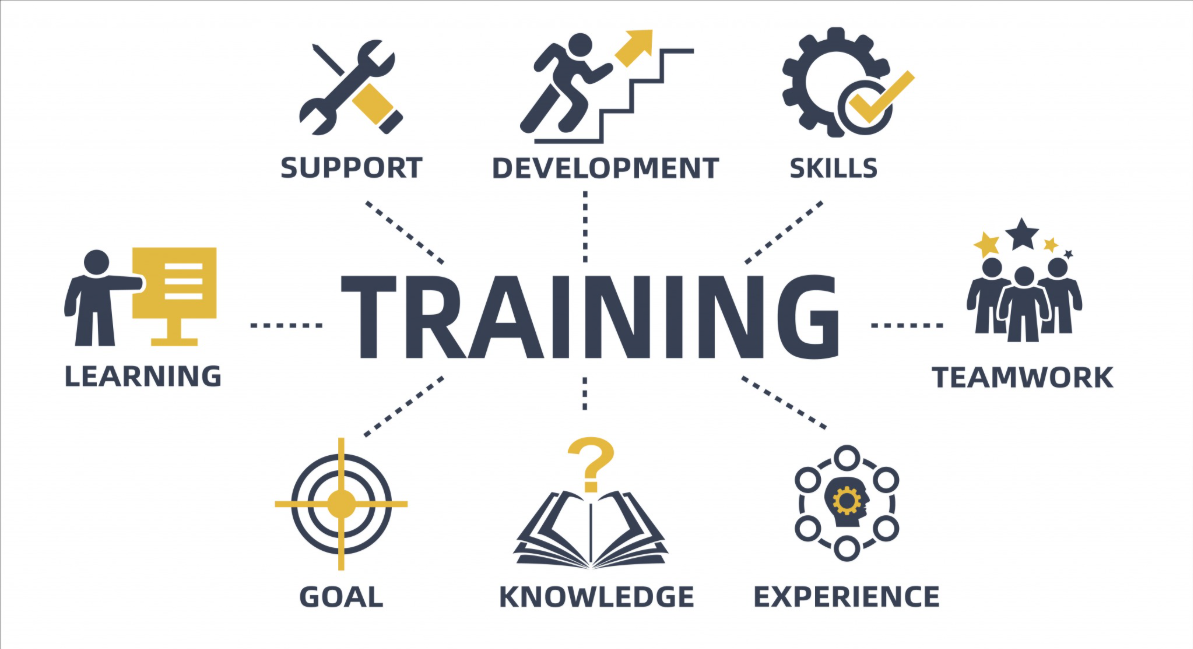
During my Digital Marketing Training sessions, I emphasize this distinction to students and peers alike. Ethics in marketing isn’t just about avoiding lawsuits or penalties; it’s about cultivating trust. If your audience senses that you are manipulating them, no amount of clever strategy or Local SEO optimization can repair that damage. Trust, once broken, is incredibly hard to rebuild.
Influence Through Value, Not Deception
One principle I live by is that influence should always be rooted in value. Instead of tricking a visitor into clicking a link or making a purchase, I focus on providing content and solutions that genuinely help them. For example, using Local SEO effectively doesn’t mean stuffing keywords or misleading customers; it’s about connecting them with businesses and services that actually meet their needs.
I remember working with a small local business that wanted to climb search rankings quickly. The easy route would have been to employ aggressive tactics that promised instant visibility. Instead, I implemented ethical Local SEO practices, optimizing their site for relevance and user experience. The result? Not only did their traffic grow, but the customers they attracted were genuinely interested and engaged—leading to higher retention and word-of-mouth referrals.
Transparency as a Core Value
Transparency is another cornerstone of ethical digital marketing. Whether it’s being honest about sponsored content, clearly outlining privacy policies, or disclosing affiliate links, I’ve found that audiences respond positively when they feel informed rather than manipulated. In my own campaigns, I make it a point to clearly communicate intentions behind promotions or content. The feedback has been overwhelmingly positive, and more importantly, it builds a long-term relationship with my audience.
Balancing Data and Morality
Data-driven marketing is powerful, but it comes with moral considerations. I often ask myself during campaigns: Am I using this data to enhance the customer experience or to take advantage of it? This question guides decisions ranging from email marketing segmentation to behavioral retargeting. Through my Digital Marketing Training sessions, I encourage others to adopt this mindset as well—reminding them that ethical choices aren’t just morally sound, they are strategically smart. Customers are more likely to remain loyal when they trust a brand, and ethical marketing fosters that loyalty.
The Business Case for Ethics
Some sceptics may argue that ethical marketing slows growth or reduces short-term ROI. My experience proves otherwise. Companies that maintain integrity in their marketing efforts often see sustainable growth over time. Ethical practices in Local SEO, content marketing, and digital campaigns lead to better engagement metrics, higher conversions, and most importantly, a brand reputation that stands the test of time.
In the end, I’ve realized that digital marketing is as much about relationships as it is about numbers. Influence without manipulation is not only possible—it’s essential. By prioritizing ethics, transparency, and value, we can create campaigns that resonate deeply with audiences, foster trust, and generate lasting success.
If you’re just starting your journey in digital marketing, I can’t stress enough the importance of ethics. Whether you’re learning the ropes through Digital Marketing Training or optimizing your business for Local SEO, never forget that the ultimate goal is to make a positive impact, not just a quick sale. Influence is powerful, but when wielded responsibly, it becomes transformative.