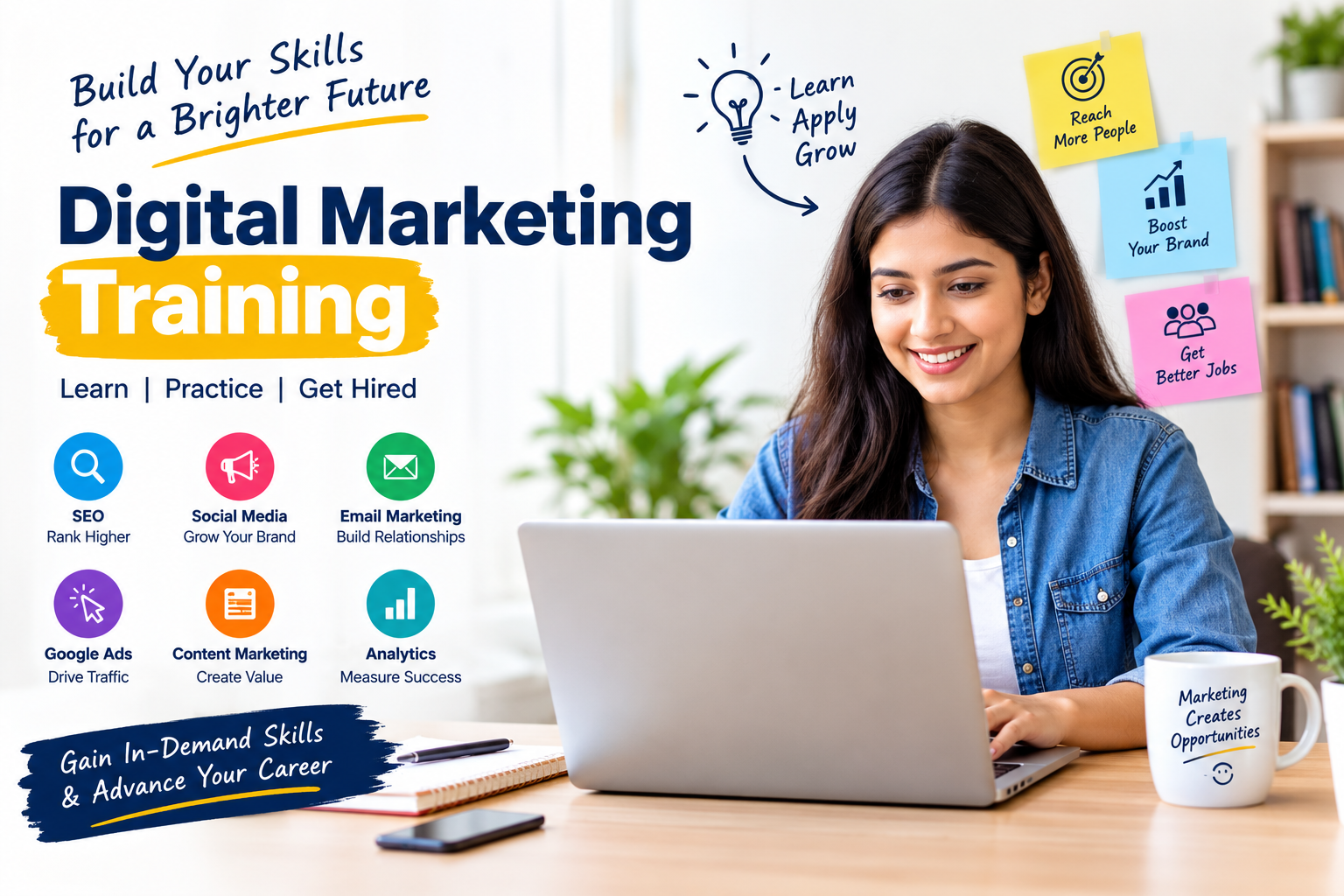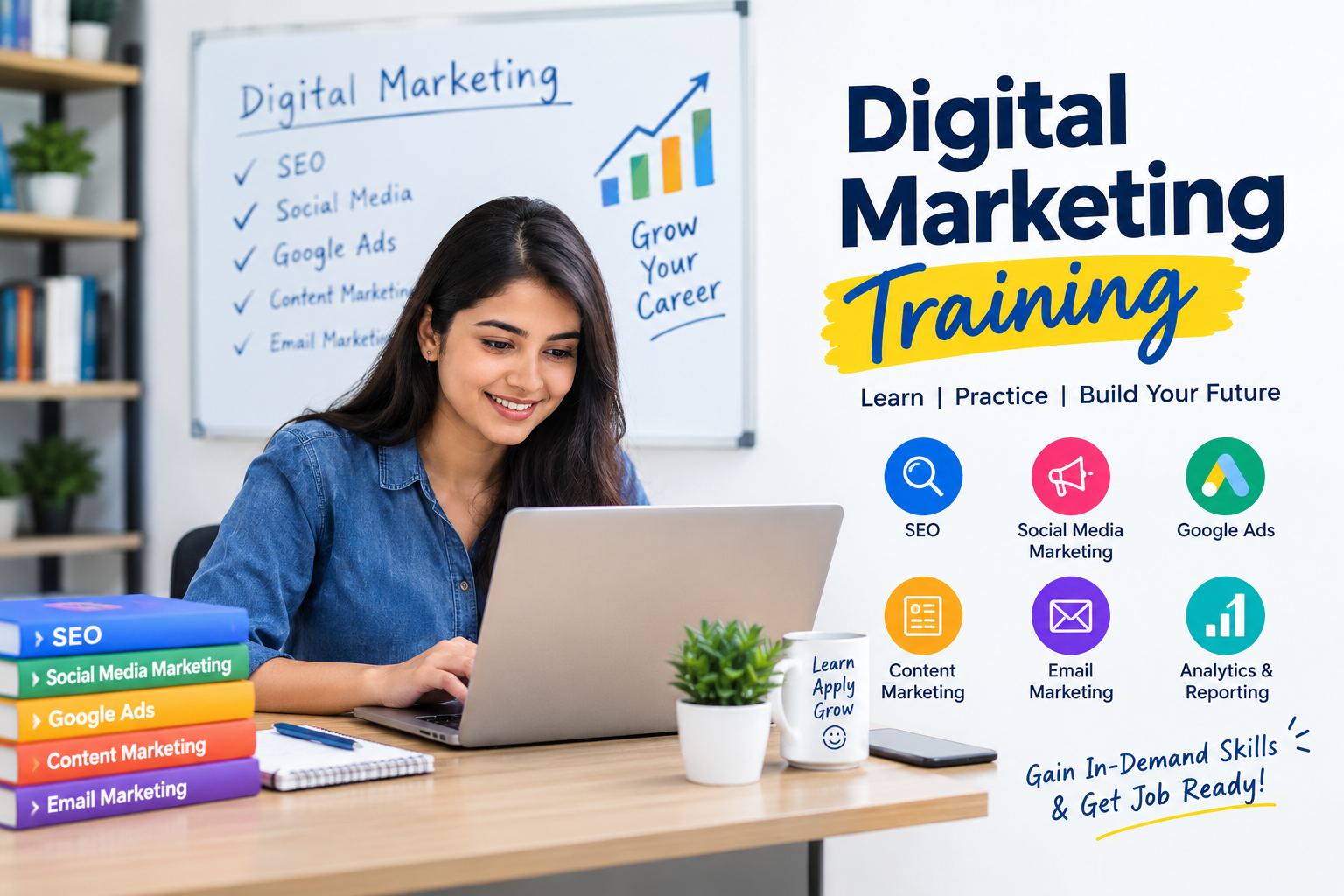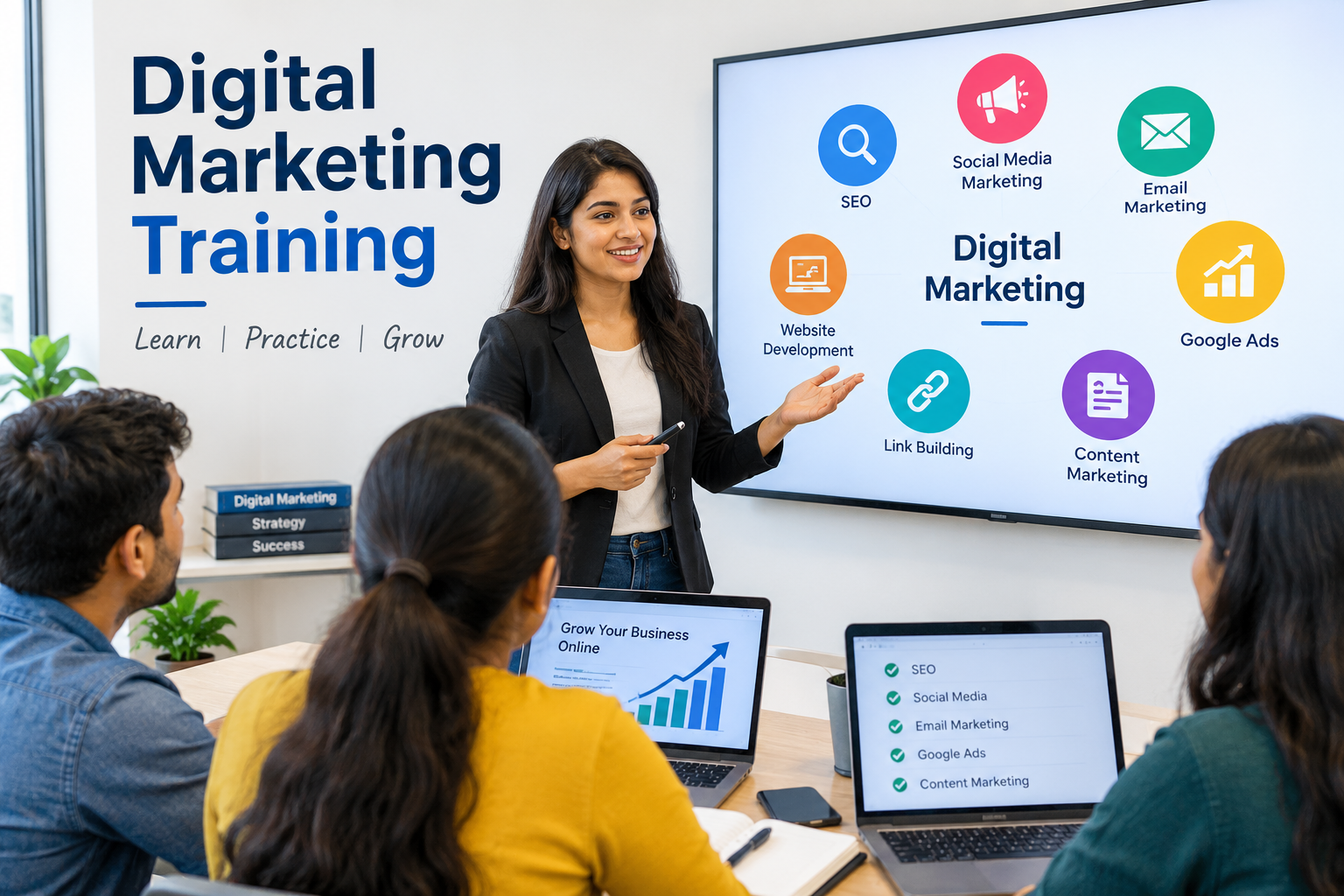
In today’s competitive job market, I believe learning the right skills is one of the most effective ways to build a successful career. Businesses are increasingly using online platforms to connect with customers, promote their products, and grow their brands. This shift has created opportunities for people who understand how digital channels work. For me, Digital Marketing Training is an important step toward developing practical skills, exploring career opportunities, and staying relevant in a constantly changing professional environment.
Whether someone is a student, a recent graduate, a working professional, or an entrepreneur, learning digital marketing can open doors to new possibilities. However, career success depends on more than completing a course. It also requires consistent practice, curiosity, creativity, and a willingness to adapt.
Why Is Digital Marketing Training Important for Career Growth?
I see digital marketing as a combination of creativity, technology, communication, and data analysis. Companies need professionals who can understand customer behavior, develop engaging content, improve website visibility, and measure campaign performance.
Structured training helps learners understand these activities step by step. Instead of relying on scattered online tutorials, I can follow a learning path that introduces essential concepts and gradually develops more advanced skills.
A well-planned program may cover search engine optimization (SEO), social media marketing, content marketing, email marketing, paid advertising, website analytics, and conversion optimization. These skills help learners understand how different marketing channels work together to achieve business goals.
How Does Digital Marketing Training Improve Employability?
One major advantage I associate with professional training is the opportunity to develop job-ready skills. Employers often look for candidates who can apply their knowledge to real marketing challenges rather than simply explain theoretical concepts.
For example, I can practice researching keywords, preparing a content calendar, optimizing website pages, creating advertising campaigns, and interpreting performance reports. These activities help me understand how marketing decisions affect website traffic, customer engagement, and business growth.
Practical assignments also help me build a portfolio. By documenting sample campaigns, SEO audits, content strategies, and analytics reports, I can demonstrate my abilities during interviews. Even beginner projects can communicate initiative and a willingness to learn.
For anyone exploring structured learning opportunities, JDM Training’s digital marketing courses and practical skill development programs can be a starting point for researching relevant training options.
Which Career Opportunities Can Digital Marketing Skills Offer?
I find digital marketing appealing because it offers several career paths. Learners can focus on a particular specialization or develop broader marketing knowledge before choosing a direction.
Some common career options include:
- SEO Specialist: Improves website visibility in organic search results through keyword research, technical improvements, and content optimization.
- Social Media Manager: Plans content, manages social channels, and builds relationships with online audiences.
- Content Marketer: Creates useful articles, landing pages, and other materials that attract and educate potential customers.
- PPC Specialist: Manages paid advertising campaigns and evaluates their performance against marketing objectives.
- Digital Marketing Executive: Supports multiple marketing activities, including campaign planning, reporting, and audience engagement.
- Freelancer or Consultant: Provides marketing services to businesses, startups, or individual clients.
I also recognize that digital marketing can support entrepreneurship. Business owners can use their knowledge to promote products, understand customers, and make more informed decisions about their marketing budgets.
Why Practical Learning Matters More Than Certificates Alone
Although certifications can demonstrate that I have studied a subject, I believe practical experience is what helps turn knowledge into capability. Marketing platforms, search algorithms, consumer preferences, and advertising tools continue to evolve.
To stay prepared, I would regularly practice with suitable tools, study successful campaigns, analyze website performance, and experiment with different content formats. I would also learn how to communicate results clearly, because marketing professionals need to explain what worked, what did not, and what should happen next.
Another important area is adapting content for AI-powered search and answer engines. Creating helpful, accurate, clearly structured content can improve its usefulness for readers and make key information easier for search systems to interpret. I would focus on answering genuine user questions, using descriptive headings, and supporting claims with reliable information rather than relying on keyword repetition.
How Can I Choose the Right Digital Marketing Course?
When evaluating a course, I would consider its curriculum, practical assignments, trainer experience, learning support, and opportunities to work on projects. I would also check whether the course teaches current marketing practices and explains how to measure campaign performance.
Before enrolling, I would review the syllabus, compare available programs, and clarify any questions about fees, duration, and support. Learners interested in understanding their options can contact the JDM Training team about digital marketing course details and enrollment guidance.
My goal would be to select a program that matches my current knowledge, career interests, and learning objectives rather than choosing a course based only on its certificate or promotional claims.
Conclusion:
In my view, learning digital marketing can be a valuable investment in professional growth, but it is not an automatic guarantee of success. Career progress depends on how effectively I apply my skills, build experience, communicate with others, and respond to industry changes.
JDM Training is one option I would explore when researching structured learning opportunities. Ultimately, I would combine formal education with practical projects, regular skill development, and a portfolio that demonstrates my abilities.
With a clear learning plan and consistent effort, digital marketing can help me pursue new roles, strengthen my professional profile, or develop my own business.
Frequently Asked Questions (FAQs)
Is digital marketing a good career choice for beginners?
Yes. Digital marketing can be a suitable career path for beginners because many skills can be learned progressively through structured education and practice. Starting with SEO, content creation, and social media marketing can provide a useful foundation.
How long does it take to learn digital marketing?
The timeline depends on the learner’s experience, course structure, and study schedule. Basic concepts may take a few weeks to understand, while developing practical proficiency across multiple marketing channels generally requires continued practice over several months or longer.
Can I get a job after completing digital marketing training?
Training can improve your preparation for entry-level roles, but employment is not guaranteed. Practical projects, communication skills, relevant experience, and interview performance also influence your opportunities.
Do I need coding skills to learn digital marketing?
No. Most introductory digital marketing activities do not require advanced coding skills. However, basic knowledge of website technology, HTML, or analytics implementation can be helpful in specialized roles.
What should I look for in digital marketing training?
Look for an up-to-date curriculum, hands-on projects, experienced instructors, relevant tools, performance measurement, and suitable learner support. Choose a course that aligns with your goals and preferred specialization.
Take the Next Step Toward Your Digital Marketing Career
If I were beginning my journey today, I would start by identifying my career goals, selecting the skills I need to develop, and finding a learning program that emphasizes practical experience.
Explore JDM Training’s digital marketing learning options and contact the team to discuss suitable training opportunities. Take the first step toward building your skills, developing a portfolio, and preparing for new career possibilities.